“They fixed the thing we had been blaming the ads for. Our return rate, not our targeting.”
RD
FounderD2C fashion brand, Nagpur
Media, creative, SEO, marketplace and retention for Indian D2C brands — under one team, on one weekly scorecard, answering to one number.
What we do
Most brands buy these from four vendors and spend their week translating between them. Here they sit in one room with one set of numbers.
Selected work
90 days · Fashion and Apparel · Shopify

120 days · Kids and Toys · Meta

60 days · Food and FMCG · Meta

Meta + Google ads run by operators who also run their own D2C brand.

Full-stack Shopify + D2C growth: offer, funnel, RTO, retention.

Rank in Google and get cited inside ChatGPT, Gemini and Perplexity.
Why brands move to us
AI agents handle variant generation, account anomaly checks and reporting nightly. Named human leads own four to six numbers each and make the calls. You see the same weekly scorecard our team fills.
Median blended ROAS across brands we run.
Before you sign. Not an account manager relaying messages.
Returns, COD fees and shipping deducted before we call it a win.
Twelve or more live angles in rotation, reported at hook level. Creative supply, not budget, is what caps most Indian D2C accounts.
Where engagements start, per month. Published, so nobody wastes a quarter.
Free diagnostics
25-35% of COD orders come back undelivered, wiping out contribution margin.
Same audiences, same creative, CPM up 80-120% and CAC follows.
Platform ROAS 3x+ but the P&L shows nothing left at the end of the month.
Every new customer loses money and growth makes it worse.
Traffic and add-to-cart look fine, purchases don't.
ACOS above 35%, TACOS climbing, profit per ASIN unknown.
Third agency in two years, same result each time.
Every attempt to increase budget collapses efficiency within a week.
How an engagement runs
Ad accounts, order data, landed cost and return rate. One page of written findings you keep either way.
Account consolidation, offer architecture, creative angles into rotation. One change at a time so attribution survives.
Twenty per cent increments against a contribution-margin target.
Retention, marketplace and RTO. This is where the margin actually shows up.
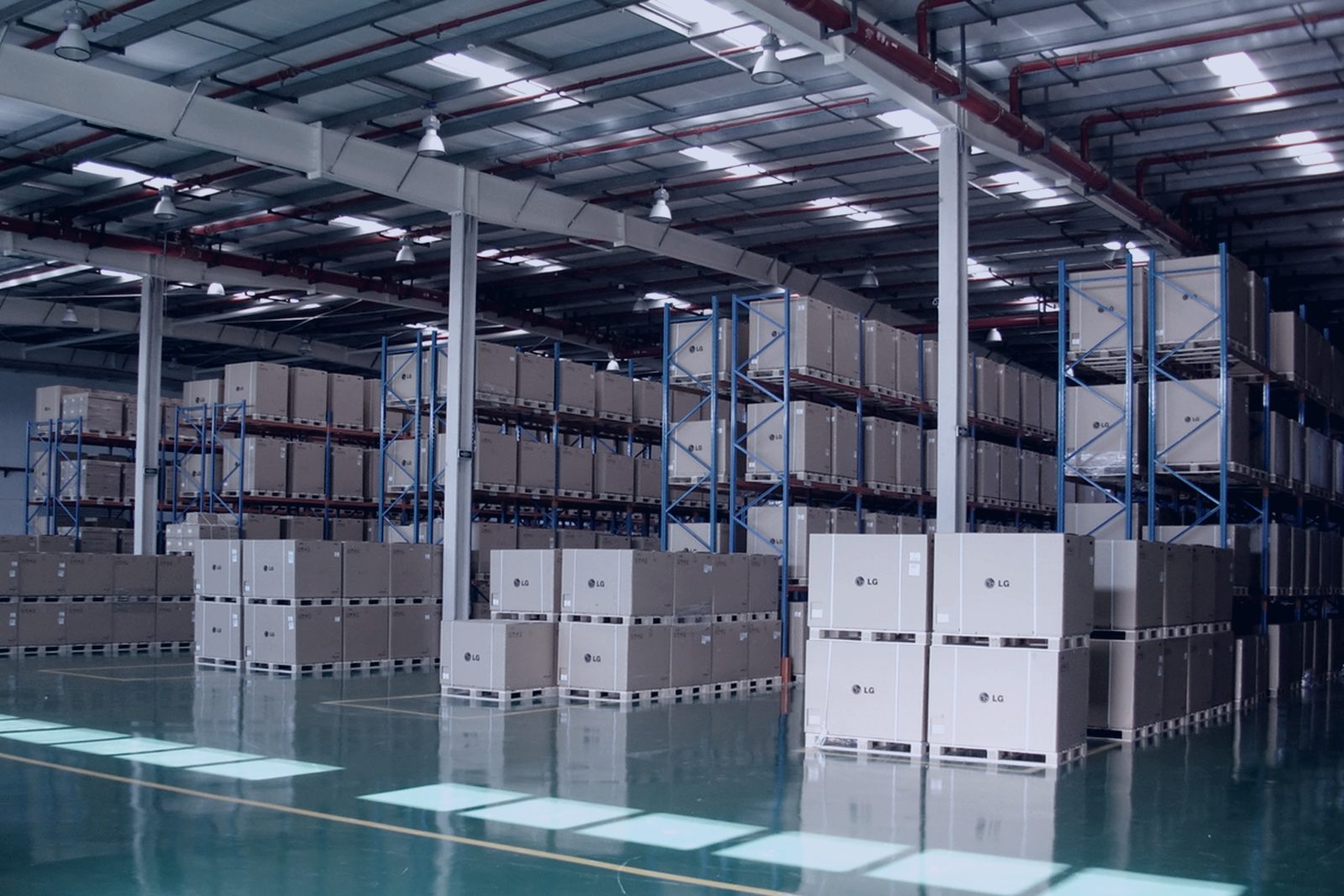
We do not just advise on ecommerce. We ship from our own warehouse in Nagpur.
 Inside the audit
Brands we run or have run
Running our own D2C brands means the advice comes from a P&L we also have to answer for. When we say a tactic works, we have paid for it ourselves first.
In their words
“They fixed the thing we had been blaming the ads for. Our return rate, not our targeting.”
“First agency that showed us a number we did not like before we asked for it.”
“Same festive budget as last year. Almost three times the revenue out of it.”
Side by side
| Bridging Associates | A typical retainer | |
|---|---|---|
| What you buy | A department with named leads | A channel and a monthly report |
| Who owns the number | One named lead per metric | The agency, collectively |
| Reporting | Weekly scorecard, green amber red | Monthly deck of activity |
| Return to origin | Owned — calling, pincode scoring, prepaid nudges | Out of scope |
| Success metric | Contribution margin | Platform ROAS |
| Pricing | Published, from ₹1,50,000/mo | On request, after two calls |
| If it does not work | KPI misses 90 days → next 30 free | Contract renewal conversation |
Who we say no to
Engagements start at ₹1,50,000 per month. If you want a ₹25,000 retainer, a one-off logo, or a hundred cheap leads, we are the wrong call — and we will say so in the first five minutes rather than waste a quarter of your time.
FAQs
The detail lives here so the rest of the page stays readable. Open what matters to you.
A growth department is the alternative to a channel retainer. Instead of buying media buying from one vendor, creative from another and retention from a third, you rent one accountable team that owns the whole number: media, creative, retention, marketplace and return to origin. For Indian D2C brands that matters more than elsewhere, because the leak is almost never confined to a single channel.
Ours runs on three layers — AI agents for the repetitive work, named human leads who own four to six numbers each, and a weekly scorecard both sides can see.
From ₹1,50,000 per month. Below that we cannot staff the team properly, so we decline rather than under-deliver. Most brands running above ₹10 lakh a month in media sit in the ₹2.5–4 lakh band.
There are three models: a fixed-fee 90-day Growth Sprint, the ongoing Growth Department retainer tiered by ad spend, and an invite-only Performance Partner model with a lower base plus a share of incremental revenue.
Because in India it is where the profit goes. A quarter to a third of cash-on-delivery orders come back in some categories. The order was acquired at full customer acquisition cost, shipped at full cost, refused at the door and shipped back at full cost, and none of that appears in the return on ad spend your platform reports.
We fix it with confirmation calling inside two hours, pincode-level scoring, prepaid nudges at checkout and courier allocation by performance — work that sits outside the ad account entirely.
Three things. We run our own D2C brand and our own warehouse, so the advice is operator advice rather than dashboard advice. We publish the price. And we hand you the same weekly scorecard our internal leads fill, which is the part competitors cannot copy without rebuilding how they work.
Roughly ₹50 lakh a month in revenue or ₹3 lakh a month in media, gross margin above 40%, and one decision-maker who can approve a change inside a week. Category matters less than unit economics.
We are a bad fit for brands wanting a ₹25,000 retainer, a one-off creative project, or cheap lead volume.
Audit in week one, restructure across weeks two and three, first controlled scaling test in week four. Movement in contribution margin usually lands between day 45 and day 90. Anything faster is usually a one-off discount rather than a structural change.
Read access to the ad accounts, the last 90 days of order data, your true landed cost per unit, and your current return rate. If you do not have the landed cost figure, that is itself the first finding.
If an agreed KPI has not moved in 90 days, the next 30 days are free. There is no lock-in after month three and a 30-day exit. We would rather carry that risk than argue about attribution six months in.
Next step
Bring your ad account, your P&L and your RTO rate. You leave with a written finding whether you work with us or not.
Engagements start at ₹1,50,000 per month. We say no below that.